
Accessing world-class investment opportunities
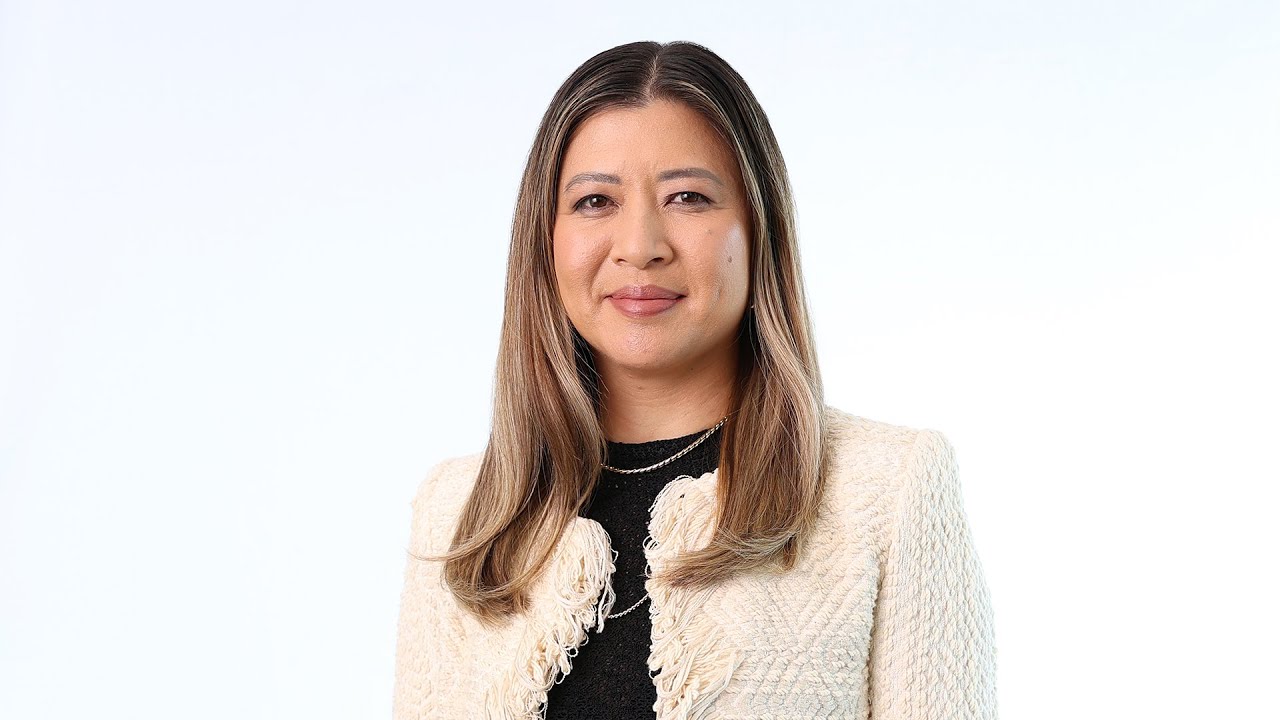
Get expert insights into AustralianSuper’s global investments with Jessica Melville, Head of Mid Risk Portfolio Strategy & Research. Learn how AustralianSuper uses its size and scale to take advantage of investment opportunities in global markets in this interview hosted by Peter Treseder, Education Manager. Watch now.
-
Show transcript
What tends to happen is when people focus on shorter-term trends, they tend to overestimate the impact of these trends on earnings. So you get these little bubbles that emerge. But then over the longer term, they actually completely underestimate the magnitude of change to how we work, live and play.
Welcome to The Source, where we take you behind the scenes to meet the experts at AustralianSuper to discuss the super topics that matter to you. My name is Peter Treseder. I'm an Education Manager at AustralianSuper, and for over 25 years I've been helping members like you embrace and understand your super better.
It's important to note that today's discussion is of a general nature only and does not take into account your personal situation. To help you understand more about how AustralianSuper invests, today with me, I have Jessica Melville. She is Head of Mid Risk Portfolio Strategy and Research.
So welcome Jessica. Maybe you could explain, what you do and how you help members.
Indeed. Thank you Peter. So I head up Mid Risk Portfolio Strategy and Research and maybe I can take you through what mid risk actually means for us here at AustralianSuper.
So most people are familiar with stocks and bonds because individuals can invest in that on their own.
Mid risk is, you know, if you think about a risk spectrum of stocks at one end of the spectrum being very growth orientated but also higher risk and bonds and cash being lower risk and more defensive. Well there's actually a bunch of asset classes that sit in the middle of the risk spectrum that we find really interesting, and that sort of coalesces around property and infrastructure.
And they offer to our members great diversification and also a really interesting return profile.
So the average person wouldn't be able to invest in these sorts of investments, but they can through the size and scale of AustralianSuper.
Yeah. That's right Peter.
So we find them really interesting assets because they typically have high barriers to entry and that gives them great pricing power. So we're really focused on the revenue generation not just for 1, 2 or 3 years but for the long term.
And that aligns really well with the investment horizon of most of our members who are saving over their careers but also drawing down over decades in their retirement. Because of that long-term revenue characteristic, that doesn't align well with being publicly listed.
So while there are some that are listed publicly, most stay in private hands. And that means that we have teams based on the ground in New York and London that are interfacing with these markets to identify when these assets will become available to purchase on behalf of our members.
You mentioned our international offices in London and New York, where we've got people on the ground to take advantage of these opportunities. What are some of those opportunities that we've taken advantage of?
One that really stands out for me is Heathrow Airport that we invested in over the course of the pandemic. So here's an example of an excellent quality asset. It's one of the busiest airports in the world and an asset that we understood really well.
It had some issues with its debt structure. So we worked with the airport to structure a debt package that was sustainable through the pandemic at very attractive terms for our members.
Another example is, Generate Capital, which is a renewable energy platform that is based in the United States. And that was an example of one we have access to through having people on the ground.
What about closer to home? What have we done here in Australia?
We are very active here in our home markets.
Sydney Airport is an asset that most people would describe as a trophy asset. It's a stellar quality airport in a really important city, and it's one that we'd been following for years and years. We had the opportunity to work with a small number of like-minded investors to basically take the airport private.
Members often ask me about megatrends. Are AustralianSuper keeping up to what's happening in the world of megatrends? What are megatrends and how does AustralianSuper manage them?
Yeah, it's a really good question. So megatrends or we tend to describe them more as investment thematics, are trends that start off typically in one sector. So technology and AI is probably a really good example.
But actually, when you zoom out on society, you realise that it has impacts on how we work, how we socialise, even how we buy and sell goods. That compounding effect is actually where the revenue growth really, really comes in.
What tends to happen is when people focus on shorter-term trends they tend to overestimate the impact of these trends on earnings, so you get these little bubbles that emerge.
But then over the longer term, they actually completely underestimate the magnitude of change to how we work, live and play.
So I guess it becomes, we think critically important to be assessing the impact of these megatrends or investment thematics. The thematics that we're focused on right now, they conveniently all start with D. So we start with digitisation. We have an opportunity to invest through building out digital infrastructure. So data centres and telecommunication networks.
Decarbonisation is the next one. So thinking about how society is going to shift to renewable energy generation and how that's going to impact how energy is distributed across the network.
The third one is demographics. So demographic change. I think it's well understood that our populations overall are aging.
It's also how society is changing how it chooses to live. So those are some examples of the megatrends that we've done a lot of research on and will continue to do, because how they are actually playing out, at any point along that journey impacts how we underwrite our investments.
If you had any final thoughts about how AustralianSuper takes advantage of investing in world class assets, what would they be?
So there's probably three key things I’d draw out. The first is that scale really matters. You need to be able to speak to billions of dollars to get a seat at the table. Secondly, it's an asset class that lends itself to investing globally. So looking all around the world for the best opportunities but managing locally.
And the third point that we spent a bit of time talking about is that relationships really matter. It's all about your networks to get access to the investment opportunities, but it's also the relationships that we build and strengthen over the course of investing in the asset, making sure that the business plan is delivered in a manner that is consistent with what our members expect of us.
So it's all about relationships. And we've built out an amazing platform of people in London, New York, and of course, our home market of Australia to really build those very strong relationships.
End transcript
How AustralianSuper is accessing world-class investment opportunities
AustralianSuper uses their size, scale and global presence to help deliver a unique investment advantage to members, with access to large-scale unlisted assets that are typically inaccessible to smaller funds or individual investors.
While many of us are familiar with traditional assets like stocks and bonds, AustralianSuper also has significant investments in asset classes including infrastructure, property and private credit – often requiring large capital outlays with very long-term investment horizons.
Jessica Melville is Head of Mid Risk Portfolio Strategy & Research at AustralianSuper and it’s her job to help guide where members’ funds are invested in the medium term, while also planning for portfolio growth over the long term.
AustralianSuper’s long-term investment horizon and strong net cash flow means it can act quickly on opportunities without needing to sell existing assets. This agility allows AustralianSuper to invest with conviction in high-quality, long-term assets that align with members’ retirement goals.
Jessica and her team have been able to access unlisted assets such as Kings Cross, an urban regeneration project in London and Sydney toll road WestConnex, which offer diversification, potential return stability, and historically stronger long-term, risk-adjusted returns.
‘Scale really matters. You need to be able to speak to billions of dollars to get a seat at the table,’ Jessica says.
By managing more assets in-house, AustralianSuper reduces reliance on costly external fund managers. This internalisation strategy, combined with economies of scale, helps to lower investment costs for members.
AustralianSuper’s global internal investment capability also means there are teams based on the ground in New York and London that are looking to identify when assets become available to purchase on behalf of members.
When investing, Jessica’s team will often look at two key items, diversification and returns. Private market assets can then provide benefits in both of these areas based on their unique characteristics.
As Jessica notes, private market assets are not always up for sale, so you have to be constantly scouring the world looking for opportunities.